Strategies for Maximizing Compensation in Car Accident Cases
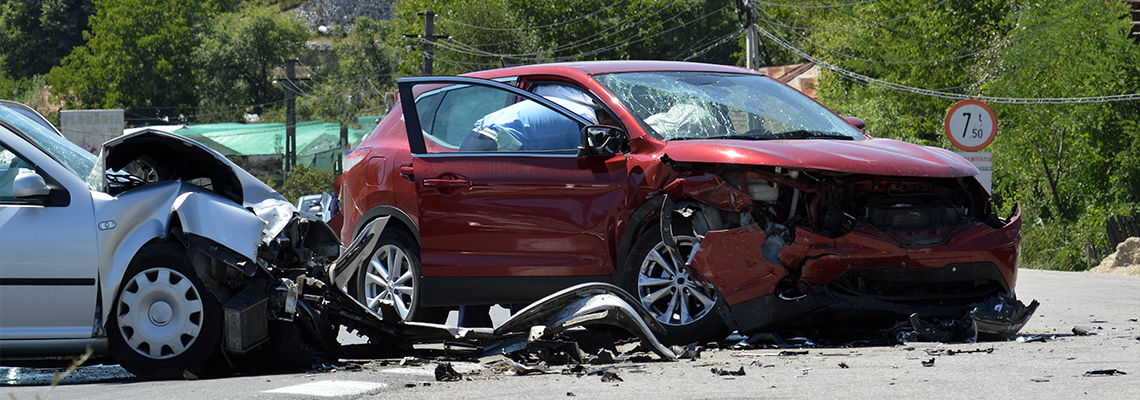
Car accidents can leave people feeling overwhelmed, stressed, and unsure of what to do next. Beyond the physical pain, there’s the emotional toll and the disruption of daily life. If you’ve been in a car accident, you might be unsure of how to claim any compensation. We know how stressful this process can be, and we’re here to provide guidance and clarity.
At Hinrichs & Scott, we help clients in Kansas City, Missouri, and the surrounding areas—including Jackson County, Clay County, Platte County, Cass County in Missouri, as well as Wyandotte County and Johnson County in Kansas—maximize the compensation available in their car accident case. Reach out to us today to protect your rights and pursue the recovery you need.
One of the first steps in maximizing compensation in a car accident case is gathering and preserving critical evidence. Solid documentation can make a significant difference in the outcome of your claim.
After an accident, it’s important to collect details from the scene whenever it’s safe to do so. Take photos of the vehicles, the surrounding area, skid marks, and any visible injuries. Record the names and contact information of witnesses, and note the time, location, and weather conditions.
Key evidence to collect:
Photographs and videos: Capture the accident scene, vehicle damage, road conditions, and visible injuries.
Police reports: Obtain official records, as they can strengthen your case.
Medical records: Maintain detailed documentation of all treatments, diagnoses, and ongoing care.
Witness statements: Written or recorded statements from people who saw the accident can support your claims.
Insurance information: Collect the details of all parties involved, including policy numbers and contact information.
Gathering and preserving this evidence promptly can significantly impact your car accident case. It provides a foundation for proving liability and demonstrating the extent of your injuries and damages.
Medical documentation is critical when pursuing maximum compensation. Your injuries and the treatment you receive will heavily influence the value of your car accident case.
Attend all medical appointments, even if injuries seem minor at first. Delaying treatment can raise questions about the severity of your injuries and may limit the compensation you receive. Keep detailed records of every visit, test, procedure, and prescription related to your accident.
Key Medical Documentation:
Initial evaluations: Document the first diagnosis and treatment recommendations.
Follow-up appointments: Keep track of ongoing care, therapy sessions, and progress notes.
Prescriptions and medications: Record all medications prescribed for pain, recovery, or complications.
Specialist consultations: Include visits to orthopedic surgeons, neurologists, or other specialists.
Rehabilitation records: Physical therapy, occupational therapy, and other treatments can support claims for long-term impacts.
Comprehensive medical records can help demonstrate the severity of your injuries and the impact on your daily life, supporting a higher compensation claim.
A car accident can generate expenses that extend beyond immediate medical bills. Keeping detailed records of all related costs strengthens your car accident case and supports your request for full compensation.
Track every expense, including those you might not initially associate with the accident. This documentation helps show the financial impact and may increase the settlement amount. Even small costs, such as parking fees at medical appointments or over-the-counter medical supplies, can add up over time.
Keeping a detailed expense log demonstrates the full scope of your losses and strengthens your credibility when negotiating your car accident case.
Expenses to Track:
Medical bills: Emergency care, hospital stays, doctor visits, and medications.
Property damage: Vehicle repairs or replacement, personal property damaged in the accident.
Lost wages: Time off work due to recovery or treatment.
Transportation costs: Rides to medical appointments or alternative transportation while your vehicle is unavailable.
Home care or assistance: Hiring help for household tasks during recovery.
Precise expense tracking helps account for all aspects of financial loss, providing valuable support for your compensation claim.
Insurance companies often attempt to settle claims quickly and for the lowest possible amount. Knowing how to communicate effectively can prevent missteps that could reduce your compensation.
It’s important to provide necessary information without volunteering statements that could be misinterpreted. Always keep a written record of conversations, and avoid admitting fault or minimizing your injuries.
Tips for Dealing With Insurers:
Stay factual: Provide accurate information without speculation or assumptions.
Avoid recorded statements: These can be used against you in ways you don’t anticipate.
Respond promptly: Answer requests for documentation or clarification promptly.
Keep communication documented: Save emails, letters, and notes from phone calls.
Consult an experienced attorney: Legal guidance can help protect your rights and maximize your claim.
Cautious, deliberate communication helps maintain the integrity of your car accident case and avoids pitfalls that could reduce your compensation.
Some injuries may not fully reveal their impact immediately after an accident. Considering the long-term effects of injuries is crucial when pursuing a car accident case.
Your compensation should reflect not only current medical bills but also anticipated future costs related to treatment, therapy, and quality-of-life adjustments. This approach can help ensure you receive a settlement that addresses ongoing challenges.
Long-Term Considerations:
Chronic pain or disability: Injuries that require ongoing care or limit activities.
Mental health impacts: Emotional distress, anxiety, or depression caused by the accident.
Career implications: Lost earning potential due to long-term recovery or physical limitations.
Lifestyle adjustments: Modifications to your home, vehicle, or daily routines.
Future medical needs: Anticipated surgeries, therapy, or long-term medication.
Taking a holistic approach to your injuries helps present a complete picture of your needs, which supports a stronger compensation claim.
Working with an experienced attorney can significantly enhance your ability to maximize compensation in a car accident case. Attorneys bring knowledge of legal procedures, liability issues, and negotiation tactics that most individuals aren’t familiar with.
An experienced attorney can help gather evidence, document injuries, and handle interactions with insurance companies, so you can focus on recovery. They also provide guidance on realistic settlement expectations and legal strategies tailored to your case.
Benefits of Legal Representation:
Case assessment: Evaluate the strength and value of your claim.
Investigation support: Gather evidence, witness statements, and expert opinions.
Negotiation assistance: Handle settlement discussions and advocate for fair compensation.
Trial preparation: If necessary, prepare your case for court.
Ongoing support: Provide guidance throughout the legal process and answer questions as they arise.
An experienced attorney can accurately document and present your car accident case, increasing your chances of receiving fair compensation.
Maximizing compensation in a car accident case requires careful planning, thorough documentation, and strategic decision-making. By collecting evidence, documenting medical treatment, tracking expenses, considering long-term impacts, and working with an experienced attorney, you can significantly improve your chances of receiving a fair settlement.
At Hinrichs & Scott, we’re committed to helping clients in Kansas City, Missouri, and surrounding areas—including Jackson County, Clay County, Platte County, Cass County in Missouri, as well as Wyandotte County and Johnson County in Kansas—pursue justice and compensation.
Call our firm today to discuss your car accident case, get professional guidance, and take the next step toward securing your recovery.